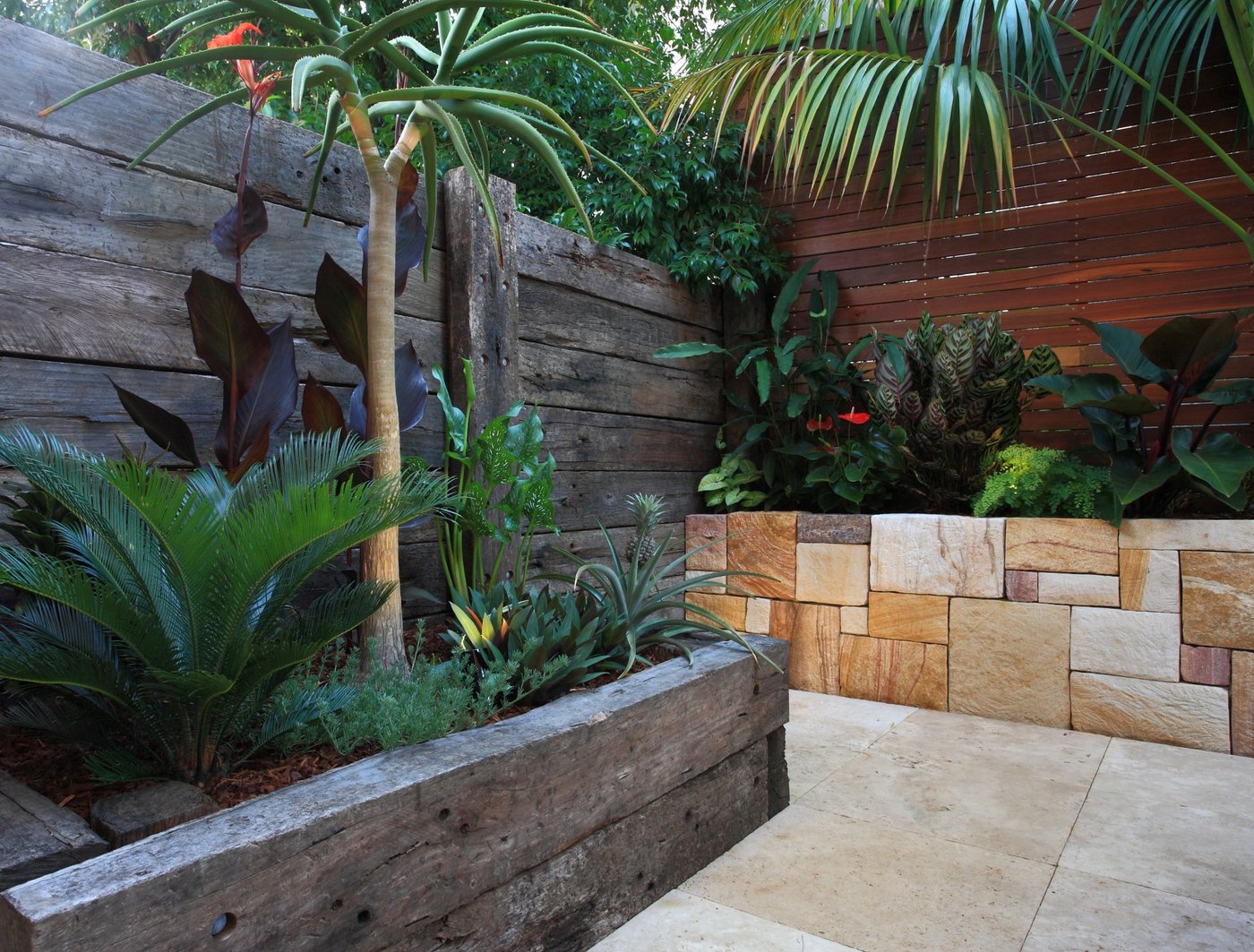
When Mature Trees Shape Landscape Design and Construction
Mature trees should be considered before a pool shape is drawn or a paving finish is selected. Their shade, privacy and established character can give an outdoor area a sense of calm from the first day you use it. In our work across Sydney, we see that the best results come from treating significant trees as design assets, not as problems to solve later.
A custom concrete pool and outdoor living area need to respond to the whole site. That means looking at sunlight, views, levels, access and the way existing trees change through the year before construction plans are finalised.
Mature Trees Set the Framework
A mature fig, gum, palm or deciduous canopy can influence nearly every part of a backyard transformation. It may affect where the pool sits, how much afternoon sun reaches an entertaining area, or which view is framed from inside the home. These are not minor details. They shape how the space feels and functions over time.
November is an especially useful time to assess established trees. As the holiday season approaches and outdoor areas begin to see more use, you can observe where shade falls, whether leaves or flowers drop heavily, and how water moves after rain. This gives us practical information before we lock in the design.
Our landscape design and construction process starts with a clear reading of the site, including both the opportunities and the constraints. A retained canopy can create a more layered, settled setting for a pool, outdoor dining area or lounge zone, while careful planning helps avoid future compromises.
Start with a Detailed Arborist and Site Assessment
Before confirming excavation, retaining walls, paving or pool equipment locations, we need an accurate understanding of the trees and ground conditions. Mature tree retention is not based on guesswork. It begins with reviewing the species, canopy spread, trunk condition, likely root area, site levels, soil and nearby services.
Where required, we involve qualified arborists early. Their advice can help determine tree health, structural condition, likely root extent and suitable protection measures. In some council areas, pruning or removal approvals may also be needed, so early assessment helps keep the project plan realistic.
A complete site review should also consider:
- Neighbouring trees and overhanging branches
- Easements, existing services and drainage paths
- Retaining requirements and changes in ground levels
- Access routes for excavation equipment and material delivery
Not every tree can be retained safely or suitably. Roots may conflict with a required structure, the tree may be declining, or its position may limit safe access. We believe clear decisions early in the process protect the quality, safety and long-term performance of the finished space.
Design Pools and Outdoor Spaces Around Root Zones
Pool construction involves more than choosing a position that looks good from the house. Excavation, the concrete shell, drainage, plumbing and equipment all need room to work, particularly near a retained tree. Root protection areas must be considered alongside the intended use of the pool and outdoor zones.
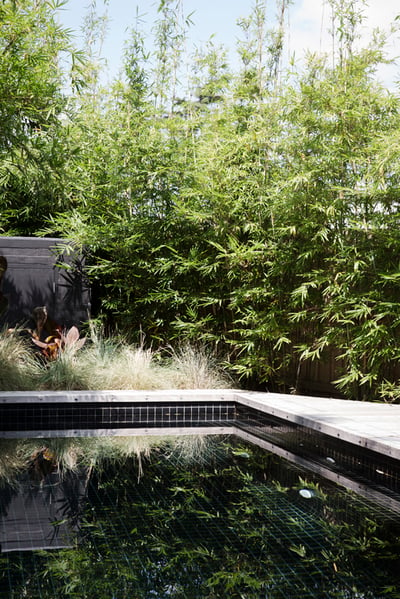
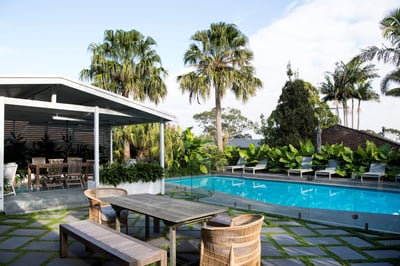
Often, a mature tree becomes a natural guide for the layout. We may position a pool to preserve the canopy, then arrange decking and dining areas where filtered shade is welcome during warmer months. Garden views can be carried through from the home, helping the new space feel connected rather than newly imposed on the block.
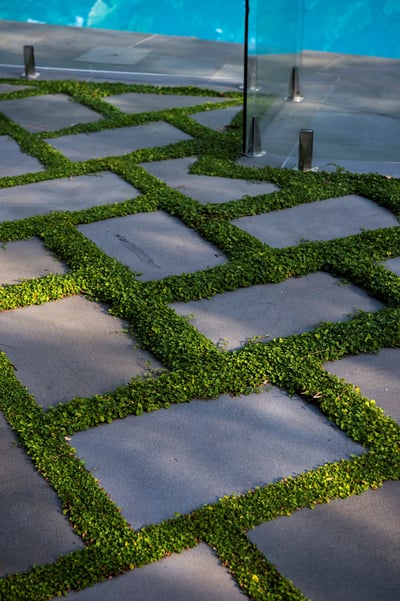
Materials and detailing also matter. Depending on the site, we may consider surfaces and construction methods that reduce disturbance around sensitive areas. Paving systems, carefully located garden beds and structures designed around existing levels can all play a part. The right solution depends on the tree, soil profile, drainage needs and how you want to use the area.
Practical enjoyment needs equal attention. Mature trees can bring welcome shade, but leaf litter, flowers and fruit can affect pool maintenance. Pool orientation, skimmer placement, cover options and surrounding planting should be resolved together, so the setting remains enjoyable without becoming difficult to manage.
Coordinate Construction with Tree Health in Mind
Even a well-planned design can put a tree under pressure if construction is not controlled properly. Machinery movement, stored materials, trenching and compacted soil can all affect roots or damage trunks and lower branches.
Before work begins, we establish clear tree protection zones and access routes. Fencing and site rules help keep equipment, spoil and materials away from sensitive areas for the relevant stages of the build. These measures need to remain in place, not disappear once excavation begins.
Construction planning commonly includes:
- Controlled machinery access near retained trees
- Careful excavation and service trenching methods
- Protection from soil compaction and trunk impact
- Drainage and irrigation planning around root systems
If roots are encountered during excavation, the approach may need to change in consultation with the arborist and engineer. This is where an integrated design and construct approach is valuable. With pool builders, designers, construction teams and specialist consultants aligned from the start, decisions can be made promptly while keeping the intended finish in view.
Changes to surface levels, runoff and irrigation can also affect a mature tree long after construction is complete. Retaining, subsurface drainage, surface falls and watering need to work together, avoiding conditions that leave established roots too wet or too dry.
Balance Architectural Intent with Long-Term Value
A premium outdoor transformation sometimes involves difficult choices. Keeping every existing tree is not always the right outcome if it prevents safe construction, creates ongoing maintenance concerns or restricts the practical use of the property.
When a tree is healthy, visually strong and well positioned, designing around it can add real character to the finished environment. On the other hand, a declining or poorly placed tree may be better replaced with a considered planting scheme that supports the new design and has room to grow well.
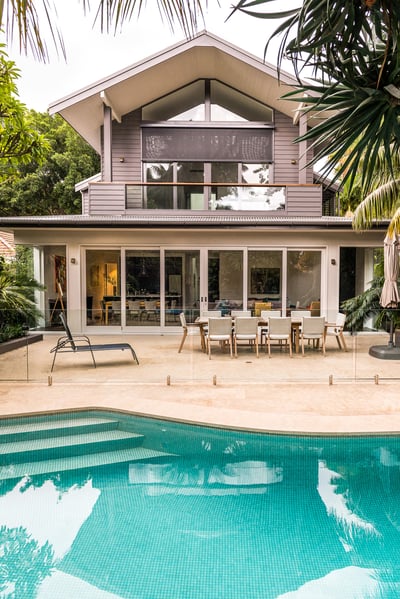
The goal is a cohesive composition. Pool edges, paving, planting, lighting, outdoor kitchens, retaining walls and the connection back to the home should all feel intentional. Mature trees can anchor that composition, but they should complement the way you want to live outdoors.
New planting also deserves careful thought. Canopy size, root behaviour, sun exposure, sightlines and maintenance needs should be considered beside existing trees, pool zones and structures. This creates an outdoor setting that develops beautifully through changing seasons, rather than one that quickly outgrows its space.
Plan for a Backyard That Improves Over Time
Early assessment gives you more control over the final result. It can prevent disruptive changes during construction and reveal opportunities that may not be obvious until shade patterns, drainage and mature planting have been properly considered.
The most successful outdoor spaces respect what is already valuable on the site while making room for the way you want to live now. With clear planning around trees, roots, construction access and future growth, your backyard can remain comfortable, practical and well composed for years of use.
Bring Your Backyard Vision Together
At Custom Creations Landscapes, we create considered outdoor spaces that balance refined design with practical construction expertise. Discover how our landscape design and construction service can bring your pool, planting, entertaining areas and finishes into one cohesive plan. When you are ready to discuss your project, contact us to arrange a consultation with our team.
John Doe