How Architectural Swimming Pool Design Shapes Water, Light and Movement
Architectural swimming pool design in Sydney is about far more than choosing a shape, tile or water colour. A well-designed concrete pool can organise the entire backyard, guiding how you move from the home to the garden, where people gather and how the outdoors feels at different times of day.
For us, the strongest pool designs begin with the whole setting in mind. The house, site levels, sun, privacy, entertaining habits and planting all influence the final result. As the holiday season brings more time outdoors, it is also a useful moment to notice how your backyard works when family and guests are using it most.
A Pool That Choreographs the Backyard
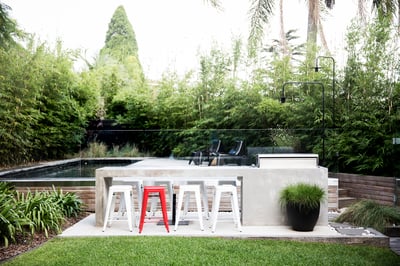
A pool should feel like it belongs to the property, not like an object placed in the middle of it. Its position can draw your eye from an internal living space towards the garden, frame an outdoor dining area or create a calm focal point beyond a terrace.
Custom concrete pools give us the freedom to respond to the site rather than force a standard form onto it. On a compact block, that may mean creating a clean, efficient arrangement that preserves room to move and entertain. On a sloping site, it may involve carefully resolving levels so the pool, paving and garden spaces feel connected.
When the pool is planned as part of a complete outdoor environment, it can help create a natural rhythm between:
- indoor living areas and the water
- dining, lounging and swimming zones
- open views and more private garden areas
- active family spaces and quieter places to pause
The goal is not to fill every corner. Often, the most refined outdoor spaces leave enough room for the eye to rest.
Begin with Site, Architecture and Daily Rituals
Before we draw a pool line, we study the property closely. Orientation, access, drainage, neighbouring outlooks, existing trees, privacy and levels all shape what is possible. They also affect how the pool will look and feel once it is built.
The home itself should guide the design. A contemporary residence may suit strong geometry, restrained finishes and crisp transitions between paving and water. A heritage home may call for a softer approach that respects established garden character and existing built details. In both cases, the pool should extend the architectural language of the house rather than compete with it.
Daily life matters just as much as visual style. We ask how you use your backyard now and how you want to use it later. A family with regular swimmers may need broad entry steps, a shallow ledge or clear sightlines from the house. Frequent entertainers may place more value on an easy connection between the kitchen, dining terrace and pool edge.
Useful questions to resolve early include:
- Where do guests naturally enter the backyard?
- Which views should remain open?
- Where will children and adults spend most of their time?
- How much room is needed around the pool for dining and relaxing?
- What needs to remain accessible for servicing and maintenance?
These decisions help the broader design feel purposeful instead of crowded.
Shape Water as a Living Design Element
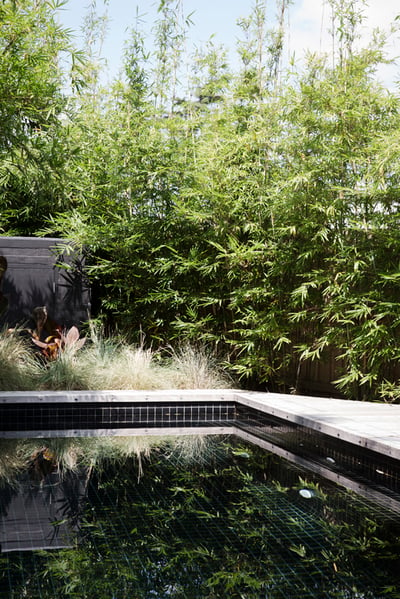
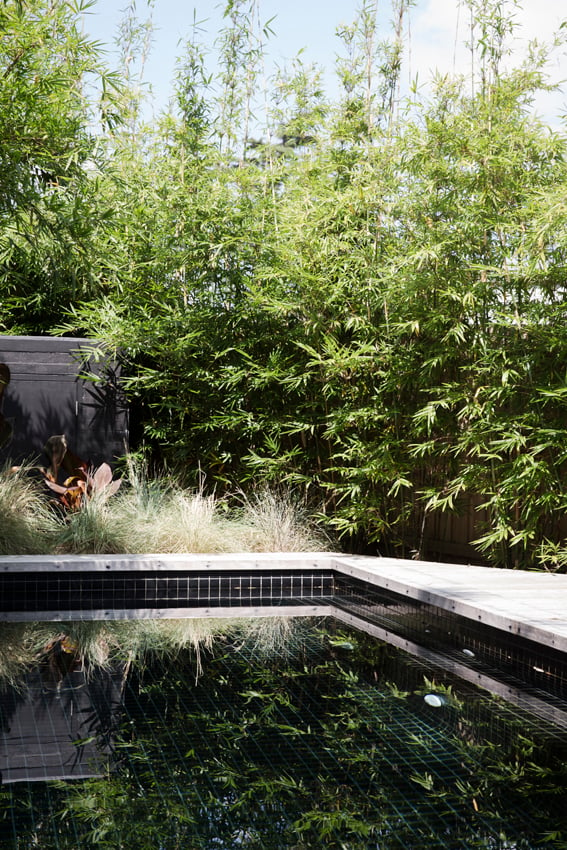
Water is never static. It reflects the sky, picks up the colours of nearby planting and changes character as the sun moves. Pool proportions, depth changes, internal finishes and edge details all influence that experience.
Long, linear pools can reinforce the strong lines of a home or create a clear visual axis through a garden. Softer forms may feel more relaxed and connected to planting. Neither approach is automatically better. What matters is that the pool shape suits the architecture, the site and the way you want to live outdoors.
Placement is equally important. Setting a pool on a key sightline can make the backyard feel more open and draw attention through the home. Bringing it closer to a terrace or outdoor pavilion can make swimming, dining and social time feel naturally connected. Done well, the pool brings separate areas together rather than dividing the yard into isolated pockets.
Refined details should have a clear purpose. Depending on the brief, we may consider features such as a discreet wet edge, integrated spa, submerged ledge, custom steps or a negative edge. These elements work best when they support the setting and daily use, rather than being added simply because they are available.
Use Light and Plan Movement with Care
After sunset, thoughtful lighting allows the pool to remain part of the outdoor setting. Underwater lights can gently reveal steps, ledges and the waterline, while preserving the depth and atmosphere of the water. Harsh brightness can flatten the effect, so restraint usually creates a more inviting result.
Lighting works best when it is considered during the design stage. That gives us the opportunity to coordinate cabling, fittings, paving, planting and built features cleanly through construction. Pool illumination can then sit comfortably alongside lighting for paths, steps, feature trees, retaining walls, cooking areas and entertaining spaces.
Movement deserves the same level of attention. The route from the kitchen or living room to the pool should feel obvious and generous enough for everyday family life. On tighter Sydney properties, careful circulation prevents the backyard from becoming a maze of narrow paths and competing zones.
Pool surrounds also need to connect practical areas without making them feel identical. A dining terrace can be close to the water without sitting on top of it. A lounge area can enjoy pool views while remaining slightly removed from splashing and activity. We plan these transitions so there are clear places to gather, swim, rest and move through the garden.
Safety requirements belong in the design from the beginning. Fencing, gates, drainage, non-slip surfaces and access points need careful planning, but they do not have to interrupt the overall vision. With suitable materials and detailed construction planning, these requirements can feel integrated rather than added on.
Create a Backyard for Every Season
The best pool environments respond beautifully to bright summer days, holiday entertaining and quieter evenings throughout the year. Water, light and movement should work together, creating an outdoor setting that feels considered from the first step outside the home to the far edge of the garden.
Starting with a site-specific design conversation gives you time to observe your space, clarify how you want to use it and allow for the approvals and construction planning required for a tailored result. A pool designed around your home and routines will continue to feel relevant long after the first swim.
Bring Your Outdoor Vision Into Focus
Custom Creations Landscapes creates considered pool and landscape environments that are designed to work as one cohesive space. Discover how our approach to architectural swimming pool design in Sydney can shape a refined, practical outdoor setting for your home. To discuss your project with our experienced team, contact us and begin the next stage of planning.
John Doe