Heritage Pool and Landscape Design in Sydney: Council Rules and Reversible Fixes
Heritage pool and landscape design in Sydney is about more than fitting a pool into a tight backyard. When a home has heritage value, every new element needs to sit quietly alongside the old, respect council rules, and still give you a functional, beautiful outdoor space. Done well, the pool feels like it has always belonged there, while still offering all the comfort of a modern backyard.
In this guide, we will walk through how heritage controls work, how to place a pool near older architecture, how to match materials without copying, and how to use reversible, non-permanent features to keep councils happy. We will also touch on safety, privacy and staging works so you can plan with confidence.
Designing Pools That Respect Sydney’s Heritage Homes
Heritage pool and landscape design in Sydney calls for a different mindset to a standard suburban pool build. We are not starting with a blank canvas. We are working with character facades, original gardens, long views down streets and neighbours who are often very protective of the area.
Two terms come up a lot:
- Heritage-listed, where the individual property is identified as significant
- Heritage conservation area, where the wider streetscape and group character are protected
In both cases, councils are focused on things like original building fabric, sightlines from the street, scale of new work and how any changes sit within the established character.
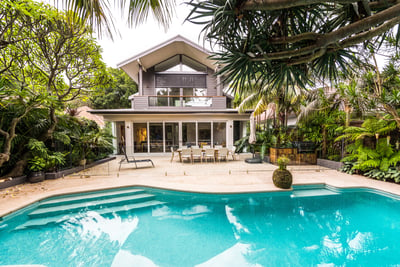
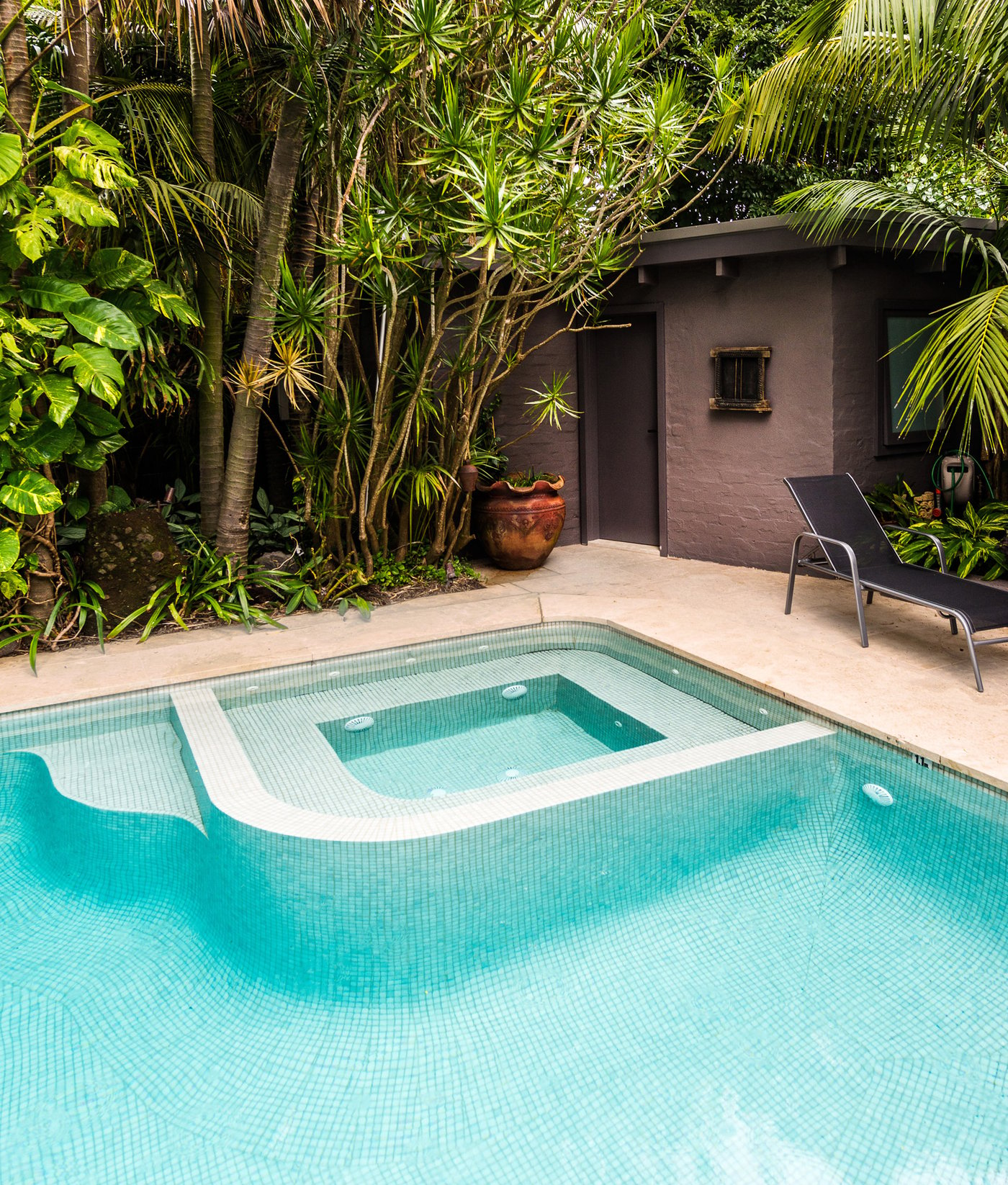
As design and construct specialists, our role is to tie everything together: concrete pool, outdoor living zones, retaining, steps, planting and lighting. When the pool, terraces and gardens are designed as one, the finished space feels integrated rather than like a new box dropped into an old yard.
Understanding Heritage Controls Before You Start Digging
With heritage, the approval path is rarely the quick one. In most cases a Development Application, or DA, is needed rather than Complying Development. Heritage provisions usually exclude fast-track approvals, especially for new pools.
Key planning tools that shape your pool design include:
- Local Environmental Plans, which set broad heritage and zoning rules
- Development Control Plans, which give detailed guidance on siting, heights and setbacks
- Heritage reports or statements, which comment on what is acceptable for your specific site
These controls will affect where you can put the pool, how high the coping can sit, how fences work and what can be seen from the street or laneway.
For timing, it helps to expect:
- A detailed survey of the home and site
- A heritage impact statement prepared with input from your design team
- Engineering for the concrete pool shell and any retaining
- Landscape plans showing planting, finishes, fencing and lighting
When your builder’s design team coordinates these pieces, it reduces back-and-forth with council and keeps approvals and construction aligned.
Strategic Pool Placement Around Historic Architecture
The biggest decision is often where the pool goes. With heritage homes, councils usually prefer pools in rear yards so the main facade and front garden remain the heroes. We aim to protect key sightlines, both towards the house and along the street.
Good pool placement balances:
- Heritage significance, keeping new work low and calm near original structures
- Existing features, like terraces, mature trees, rock shelves or old walls
- Everyday living, such as access from main living areas and connection to outdoor dining
Working with level changes is especially helpful. If we can nestle the pool against an existing terrace, step it down with the natural fall or use a rock outcrop as a backdrop, the amount of excavation drops and the pool feels anchored, not imposed.
We also think carefully about solar orientation and privacy. A pool needs sun, but it also needs smart circulation paths and places to sit that do not overlook neighbours or push built elements higher than council prefers.
Material Matching That Feels Authentic, Not Imitation
Once the layout is set, materials do a lot of the heavy lifting. For heritage pool and landscape design in Sydney, we usually start by reading the house:
- Stone types or colours in the base or entry
- Brick tones and bond patterns
- Render, trim and roof colours
- Existing metalwork on fences, railings or verandahs
From there we develop a palette for coping, paving and walls that complements, rather than copies, the original fabric.
Premium options often include:
- Natural stone, such as sandstone, basalt or limestone, for a timeless, grounded look
- Honed or exposed aggregate concrete for clean edges and subtle texture
- Handmade or wirecut brick for garden walls or raised planters that echo older brickwork
Sometimes a deliberate contrast works better than trying to fake age. A crisp, contemporary pool with fine detailing, simple stone and restrained colours can sit beautifully against a Federation or Victorian facade, provided the scale is respectful and the palette is calm.
Reversible Interventions and Non-Permanent Features
Councils and heritage advisors often talk about reversible work. In simple terms, this means changes that could be removed in the future without damaging the original building fabric or significant landscape elements.
Around a new concrete pool, reversible or non-permanent interventions might include:
- Freestanding pergolas that do not tie into the heritage walls
- Modular outdoor kitchens or bar units sitting on top of paving
- Deck platforms built over existing hard surfaces or lawn
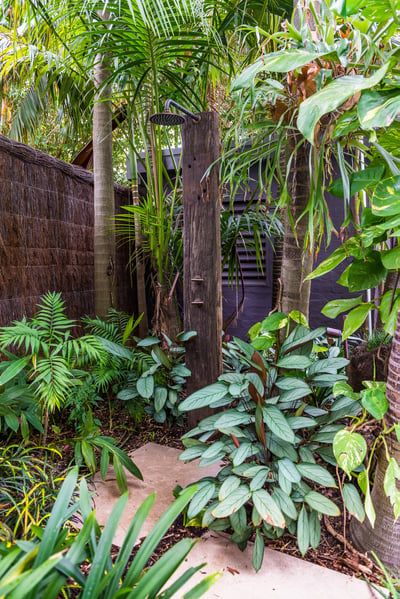
- Custom planters that screen and divide spaces without new masonry
- Low-impact garden lighting set into paving joints or soft surfaces
Careful detailing is key. That might mean bolting to existing slabs rather than cutting into original brick, using floating decks that touch walls lightly, or running services in concealed conduits rather than chasing into old stone. This approach keeps your outdoor area fully resolved while respecting the possibility that future owners, or future rules, may change.
Balancing Safety, Privacy and Aesthetics Around the Pool
Pool safety is non-negotiable, but the way barriers are handled makes a big difference to how a heritage garden feels. We look for options that meet Australian Standards while sitting quietly in the space.
Common solutions include:
- Frameless or semi-frameless glass where views to the house or garden are important
- Dark powder-coated metal fencing that blends into planting
- Integrated planting beds that combine boundary walls and compliant barriers
In denser Sydney suburbs, overlooking can be a real concern. Strategies can include:
- Slightly lowering or raising the pool level to control sightlines
- Setting the pool back from boundaries where possible
- Layered planting and screening trees to soften fences
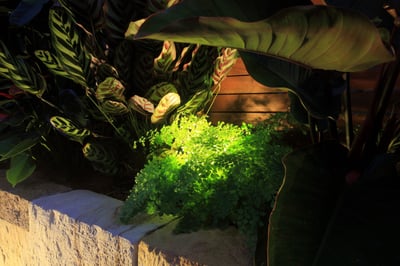
The final layer is lighting, planting structure and furniture. We focus on simple furniture forms, a clear planting hierarchy and warm, subtle lighting so the pool zone feels calm and timeless, not tied to a passing trend or at odds with the era of the home.
Staging a Heritage Backyard Transformation with Confidence
For heritage homes, a full design and construct approach often brings peace of mind. One coordinated team can shape the pool design, overall site plan, approvals, engineering, and construction sequencing, so nothing is treated in isolation.
Smart staging usually looks like:
- Phase 1 , pool shell, structural retaining, drainage and service runs
- Phase 2 , major hardscape, such as terraces, steps, boundary treatments and basic fencing
- Phase 3 , softer layers, including planting, outdoor furniture, loose planters and portable kitchens
By locking in the structural items first and leaving the lighter, more flexible elements until later, you keep options open. Heritage controls are respected, the outdoor space is tailored to how you live, and the result feels cohesive from the back fence right up to the old front door.
Get Started With Your Project Today
If you are ready to transform your outdoor space in a way that respects its history and character, we are here to help. At Custom Creations Landscapes, our specialists in heritage pool and landscape design in Sydney will work closely with you to shape a practical plan that suits your property and lifestyle. Tell us about your vision and we will guide you through the next steps, from concept to completion. To discuss your project or request a tailored quote, simply contact us.
John Doe